
Exercise prescription is a cornerstone of physiotherapy and rehabilitation practice. When grounded in evidence, it becomes a powerful therapeutic intervention capable of restoring function, preventing secondary complications, modifying disease trajectories, and improving quality of life across a wide range of health conditions. Evidence-based exercise prescription refers to the systematic process of designing, implementing, and progressing exercise programs using the best available scientific evidence, integrated with clinical expertise and individual patient characteristics.
In contemporary physiotherapy practice, exercise is no longer viewed as a generic or adjunct modality. It is a dose-dependent, mechanism-driven intervention that requires the same level of clinical reasoning, precision, and justification as pharmacological treatment. Poorly prescribed exercise—incorrect intensity, inadequate dosage, inappropriate progression, or lack of individualization—can be ineffective or harmful. Conversely, well-designed exercise programs grounded in evidence optimize outcomes, enhance safety, and strengthen professional accountability.
This article provides a comprehensive and structured exploration of evidence-based exercise prescription, focusing on principles, frameworks, dosage parameters, clinical reasoning, and application across rehabilitation contexts.
Conceptual Foundations of Evidence-Based Exercise Prescription


Evidence-based exercise prescription is anchored in the broader framework of evidence-based practice, which integrates three core components:
- Best available research evidence
- Clinical expertise and professional judgment
- Patient values, preferences, and contextual factors
Exercise prescription must also be grounded in an understanding of physiological, biomechanical, and neuroplastic mechanisms. Exercises are selected not because they are familiar or popular, but because they target specific impairments, functional limitations, or participation restrictions through known mechanisms of action.
Clinical Reasoning in Exercise Prescription
Exercise prescription is a reasoning-driven process rather than a protocol-driven task. The clinician continuously answers four fundamental questions:
- What problem am I trying to change?
- Why will this exercise address that problem?
- How much exercise is required to produce adaptation?
- How will I know if it is working?
This reasoning process ensures that exercise selection, dosage, and progression are coherent, defensible, and individualized.
The FITT-VP Framework in Evidence-Based Practice
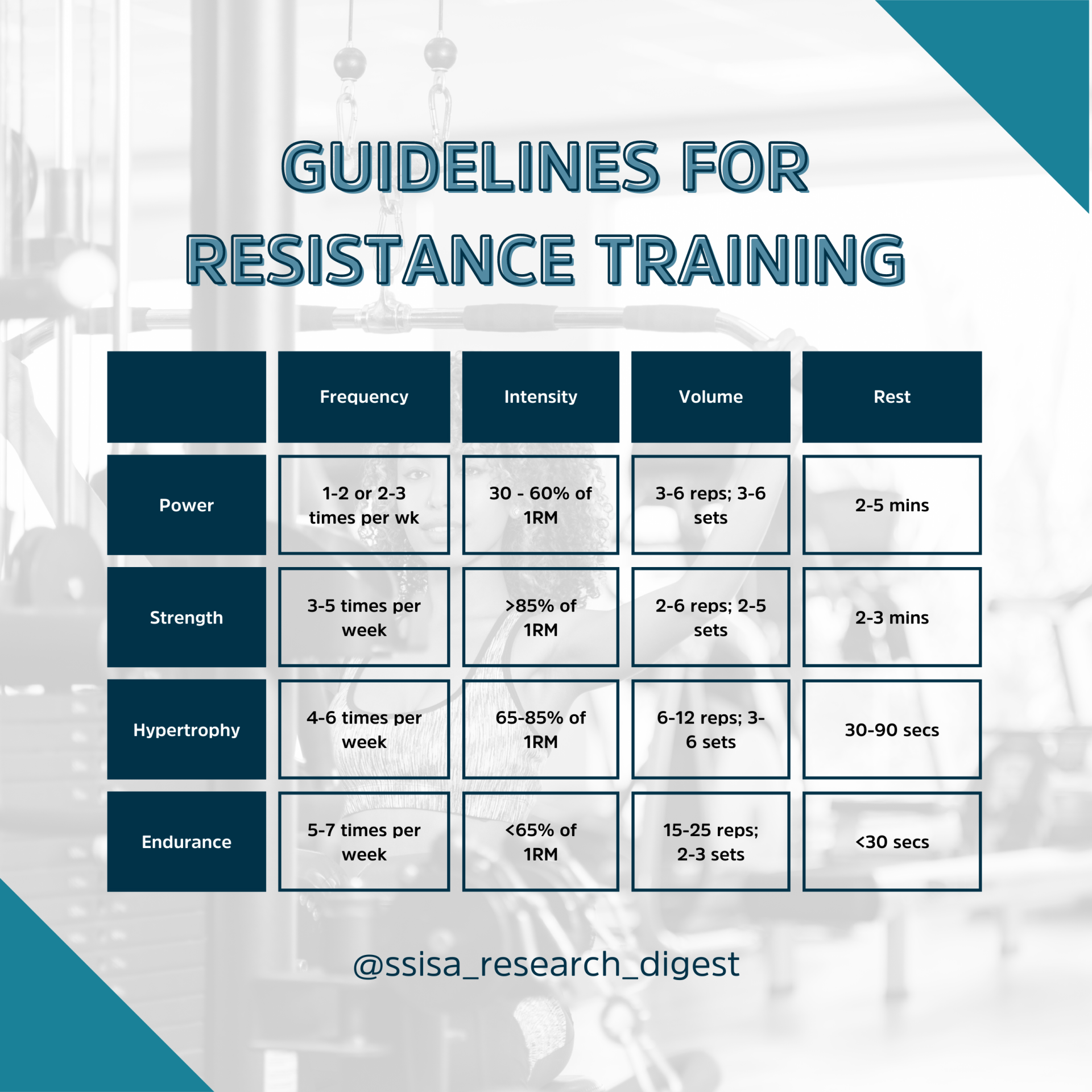

The FITT-VP framework provides a structured method for prescribing exercise dosage while allowing clinical flexibility.
Frequency refers to how often the exercise is performed. Evidence indicates that frequency must be sufficient to stimulate adaptation while allowing adequate recovery, particularly in neurological and frail populations.
Intensity is the primary driver of physiological and neuromuscular adaptation. Under-dosing is a common cause of poor outcomes in rehabilitation. Intensity may be prescribed using heart rate, perceived exertion, repetition maximums, speed, or task difficulty.
Time (duration) refers to the length of each exercise session or bout. Short, frequent sessions may be preferable in early rehabilitation or critically ill patients.
Type refers to the mode of exercise selected to match the target outcome, such as strength, endurance, balance, mobility, or motor control.
Volume represents the total amount of exercise performed, typically expressed as sets × repetitions × load or total active time.
Progression refers to the systematic increase in exercise demand to maintain overload and drive continued adaptation.
Dose–Response Relationship in Exercise Prescription

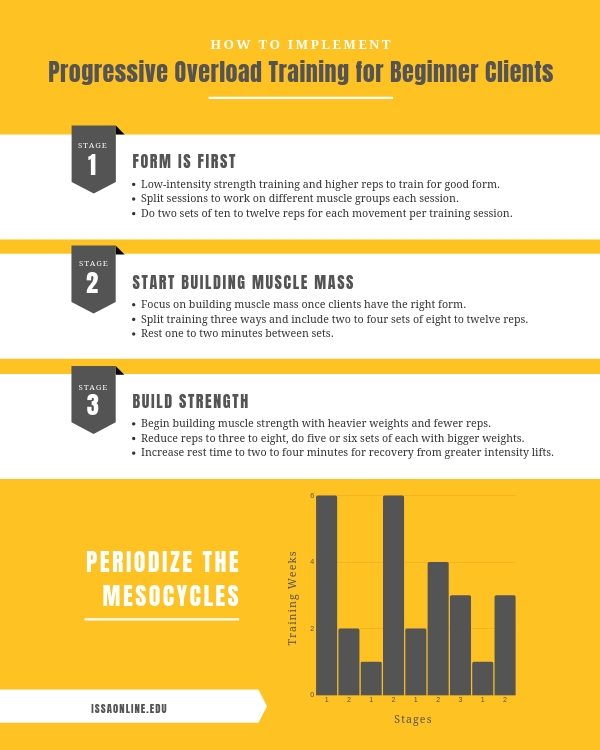
Exercise follows a dose–response relationship similar to pharmacological agents. Insufficient dose fails to produce meaningful change, while excessive dose increases risk of injury, fatigue, or non-adherence.
Key principles include:
- Overload: adaptation occurs only when demand exceeds habitual levels
- Specificity: adaptations are specific to the type and context of exercise
- Individual variability: patients respond differently to identical exercise doses
- Reversibility: gains are lost without continued stimulus
Evidence-based practice requires clinicians to identify the minimum effective dose and adjust based on response.
Exercise Prescription Across Rehabilitation Domains


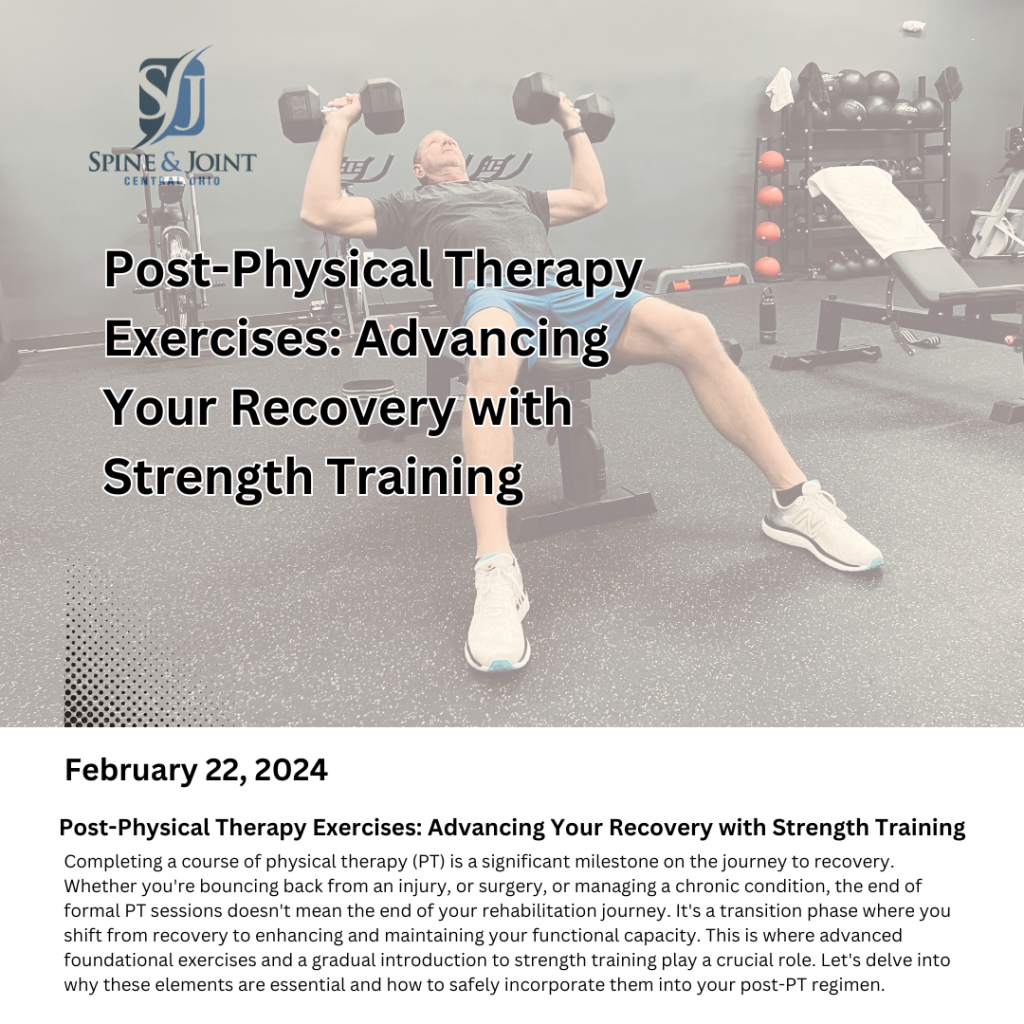
Neurological rehabilitation emphasizes task-specific, high-repetition, and intensity-driven training to promote neuroplasticity. Evidence supports early, repetitive, and functionally relevant practice.
Musculoskeletal rehabilitation focuses on progressive loading, tissue-specific adaptation, and movement quality. Load tolerance and symptom response guide progression.
Cardiorespiratory rehabilitation prioritizes aerobic training intensity, energy system targeting, and cardiovascular safety monitoring.
Geriatric and frailty rehabilitation emphasizes strength, balance, and power training while carefully managing fatigue and recovery.
Across all domains, exercise must be meaningful, achievable, and aligned with patient goals.
Individualization and Patient-Centered Prescription


Evidence-based exercise prescription does not imply uniform exercise programs. Individualization considers:
- Age, comorbidities, and baseline capacity
- Cognitive and communication abilities
- Psychosocial factors and motivation
- Cultural beliefs and lifestyle constraints
- Access to equipment and environment
Patient involvement in exercise planning improves adherence, engagement, and long-term outcomes.
Monitoring Response and Modifying Exercise Programs
Continuous monitoring is essential to evidence-based practice. Clinicians assess:
- Symptom response during and after exercise
- Fatigue and recovery patterns
- Objective performance measures
- Functional carryover to daily activities
Lack of progress prompts reassessment of diagnosis, dosage, adherence, or exercise selection rather than blind continuation.
Common Errors in Exercise Prescription
Despite strong evidence, common pitfalls persist:
- Under-dosing intensity
- Excessive focus on impairment-level exercises
- Lack of clear progression criteria
- Poor documentation of dosage
- Failure to reassess and adapt
Avoiding these errors requires disciplined reasoning and outcome-driven practice.
Documentation and Accountability
Exercise prescription must be documented with clarity and precision. Documentation should include:
- Exercise rationale
- Dosage parameters
- Progression criteria
- Patient response
This transparency supports continuity of care, legal defensibility, and research translation.
Future Directions in Evidence-Based Exercise Prescription

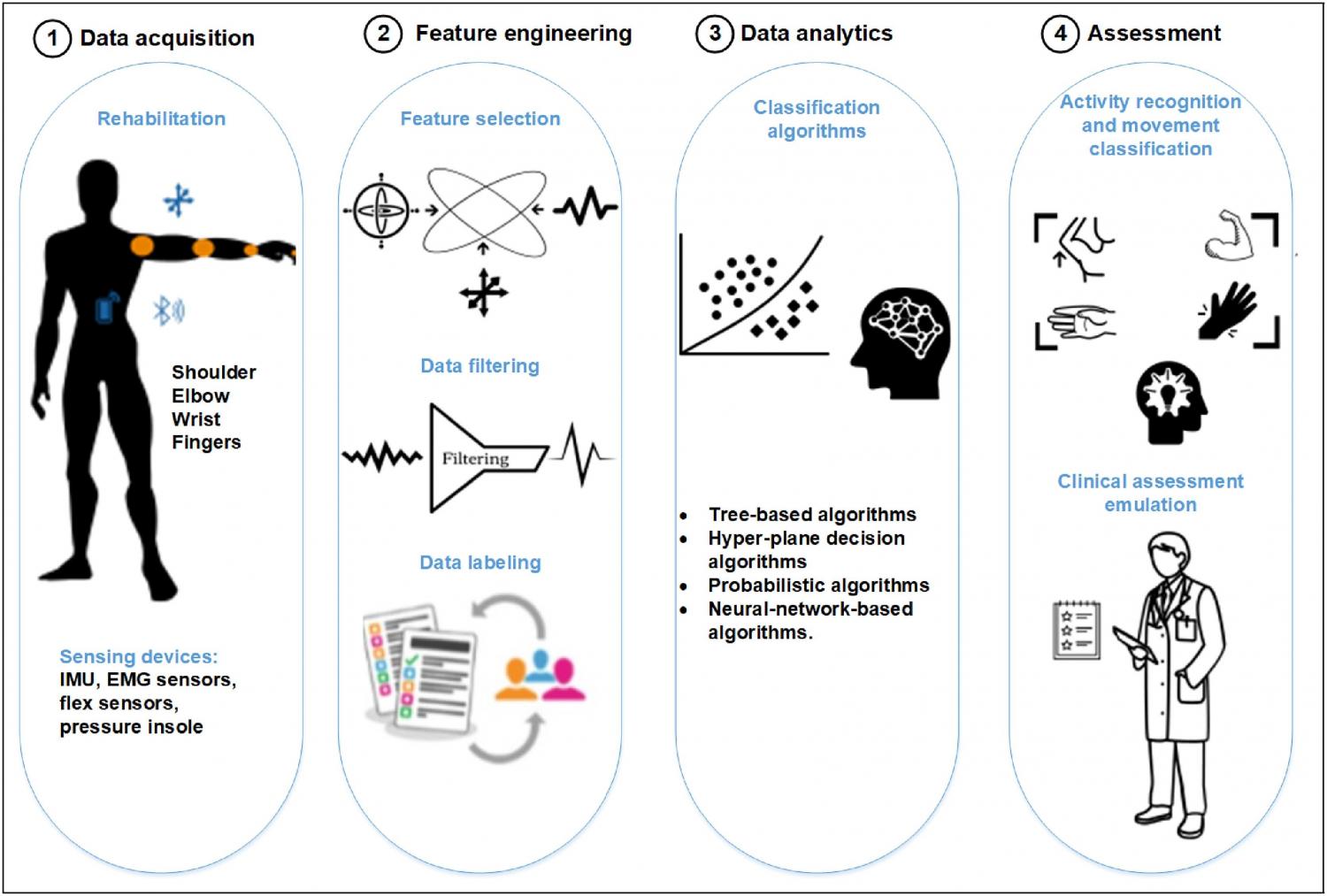
Emerging trends include:
- Use of wearable technology for real-time monitoring
- Digital platforms for remote exercise supervision
- Data-driven personalization of exercise dosage
- Integration of behavioral science to enhance adherence
These advances enhance, but do not replace, clinical reasoning and professional judgment.
Conclusion
Evidence-based exercise prescription is a sophisticated clinical skill that integrates scientific evidence, physiological principles, and patient-centered reasoning. It transforms exercise from a generic activity into a precise therapeutic intervention. For physiotherapists, mastery of evidence-based exercise prescription is essential to delivering safe, effective, and accountable rehabilitation. The future of rehabilitation lies not in more exercises, but in better-prescribed exercise.
Key References
American College of Sports Medicine. ACSM’s Guidelines for Exercise Testing and Prescription.
Sherrington C, et al. Exercise for preventing falls in older people. British Journal of Sports Medicine.
Lang CE, et al. Dose and timing in neurorehabilitation exercise. Neurorehabilitation and Neural Repair.
Phillips SM. Resistance exercise in clinical populations. Applied Physiology, Nutrition, and Metabolism.
Booth FW, Roberts CK, Laye MJ. Lack of exercise as a major cause of chronic diseases. Comprehensive Physiology.