
POSTNATAL CARE ADVICE AND EXERCISES
DOs
- Try to urinate every 3–4 hours
- Drink plenty of water
- Eat high-fiber foods
- Sit on a soft cushion or padded ring
- Apply ice wrapped in a thin cloth to the perineum
- Change sanitary pads every 4 hours
- Move slowly and carefully
- Lie down every few hours to relieve perineal pressure
- Engage pelvic floor muscles while getting up
- Perform gentle pelvic floor exercises
- Maintain good posture
DON'Ts
- Avoid swimming until bleeding stops
- Do not use tampons
- Avoid sudden movements
- Do not lift or carry heavy objects
- Do not strain during bowel movements
- Avoid high-impact exercises
DOs
- Spend time bonding with your baby
- Rest whenever tired
- Walk daily to prevent blood clots and constipation
- Support your incision with a pillow while coughing or laughing
- You may shower normally
- Consult a lactation expert if breastfeeding is difficult
DON'Ts
- Do not lift anything heavier than your baby
- Avoid tampons or douching without doctor's advice
- Do not take baths until the incision heals
- Avoid high-intensity or core exercises until cleared by your doctor
- Avoid sexual intercourse until medically permitted
- Avoid frequent stair climbing
- Do not soak in public pools or hot tubs
HOW TO MOVE AFTER C-SECTION
After a Caesarean section, proper bed mobility is essential to protect the surgical incision, reduce pain, and prevent strain on abdominal muscles.

Getting Up From Bed (Bed → Sitting)
1. Turn to Your Side: Roll onto your side slowly, keeping knees slightly bent.
2. Lower Legs Down: Let both legs come down over the edge of the bed.
3. Push With Arms: Use your hands and elbows to push your upper body up.
4. Sit Upright: Come into a comfortable sitting position before standing.
Lying Down on Bed (Sitting → Bed)
1. Sit Close to Bed Edge: Sit near the edge of the bed.
2. Support With Arms: Place hands behind you for support.
3. Lower Upper Body First: Slowly lower your shoulders and back.
4. Lift Legs Together: Bring both legs onto the bed.
5. Roll Onto Side: Turn gently onto your side.
सी-सेक्शन के बाद उठना-बैठना
सी-सेक्शन के बाद सही तरीके से उठना-बैठना घाव की सुरक्षा, दर्द कम करने और पेट की मांसपेशियों पर दबाव घटाने के लिए आवश्यक है।
बिस्तर से उठने का तरीका
1. करवट लें: पहले धीरे-धीरे करवट लें, घुटनों को हल्का मोड़ें।
2. पैर नीचे लाएँ: दोनों पैरों को धीरे से बेड के किनारे नीचे लाएँ।
3. हाथों से सहारा लें: हाथों और कोहनी की मदद से शरीर को ऊपर उठाएँ।
4. सीधे बैठें: खड़े होने से पहले सीधा बैठ जाएँ।
लेटने का तरीका
1. बेड के किनारे बैठें: बेड के किनारे बैठें।
2. हाथों से सहारा लें: हाथों से सहारा लें।
3. शरीर को नीचे करें: पहले कंधे और पीठ नीचे करें।
4. पैरों को बेड पर रखें: दोनों पैरों को साथ में बेड पर रखें।
5. करवट लें: धीरे से करवट लें।
Key Principles / महत्वपूर्ण बातें
अचानक झटके से न उठें।
सीधे लेटकर झटके से न उठें।
पेट की बजाय हाथों पर ज़्यादा ज़ोर दें।
उठते-बैठते समय सामान्य सांस लें।
दर्द बढ़े तो रुककर आराम करें।
Clinical Importance / चिकित्सकीय महत्व
This "log-roll technique":
- Reduces stress on surgical stitches
- Minimizes wound pain
- Prevents abdominal muscle strain
- Promotes safe early mobility
यह तकनीक:
- टांकों पर दबाव कम करती है
- दर्द घटाती है
- मांसपेशियों की सुरक्षा करती है
- जल्दी सुरक्षित चलने-फिरने में मदद करती है
When to Start
- After uncomplicated vaginal delivery: begin a few days after birth or when comfortable
- After C-section, extensive vaginal repair, or complicated delivery: start only after medical clearance
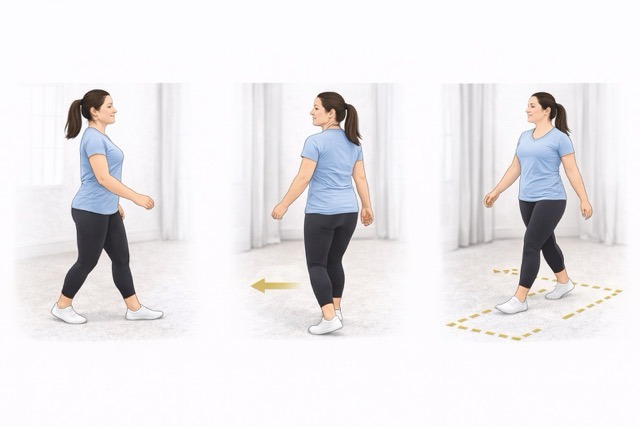
Walking
- Start with easy walking
- Progress to variations such as backward walking or zig-zag walking
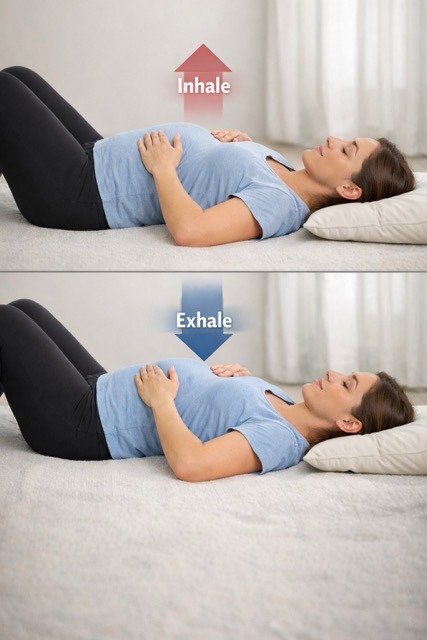
Diaphragmatic Breathing
- Lie on your back with knees bent, hands on upper abdomen
- Inhale slowly through the nose
- Exhale slowly through the mouth
- Abdomen rises on inhalation and falls on exhalation
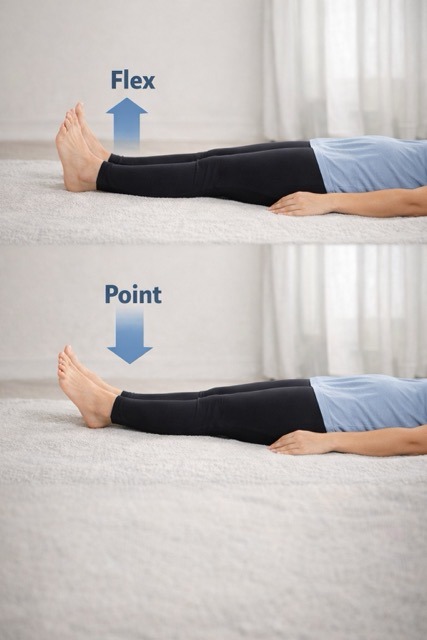
Ankle–Toe Movements
- Lie on your back with legs straight
- Pull toes towards you, then relax
- Push toes away from you, then relax
- Repeat rhythmically
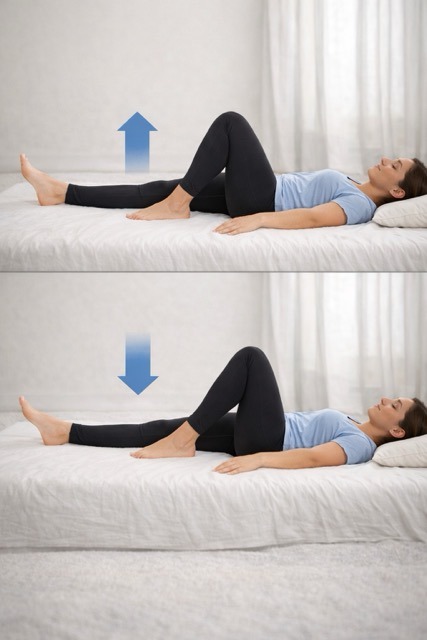
Heel Slides
- Lie on bed or table
- Slowly slide heel towards hips to bend the knee
- Return to starting position
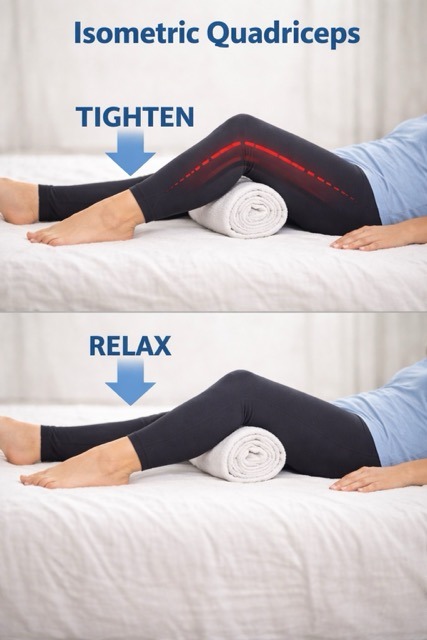
Isometric Quadriceps
- Lie or sit with leg straight
- Place a rolled towel under the knee
- Press knee downward into the towel
- Hold for 5–10 seconds, then relax
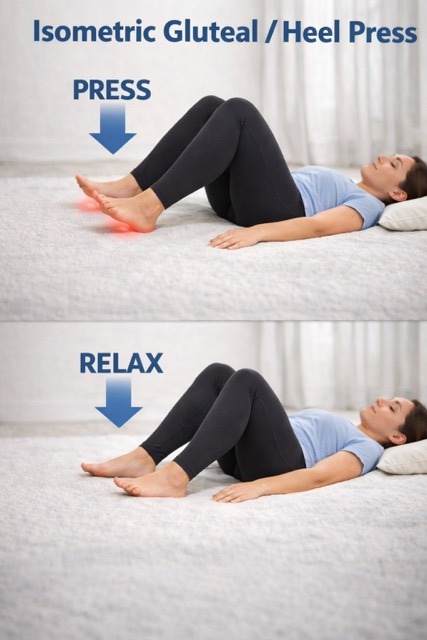
Isometric Gluteal / Heel Press
- Lie on your back with chin tucked
- Press heels gently into the bed
- Hold for a few seconds, then relax
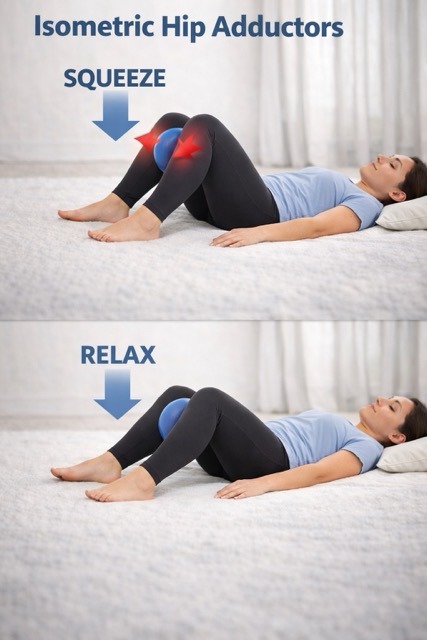
Isometric Hip Adductors
- Lie on your back, knees bent, feet flat
- Place a ball or pillow between knees
- Squeeze knees together
- Hold contraction, then relax
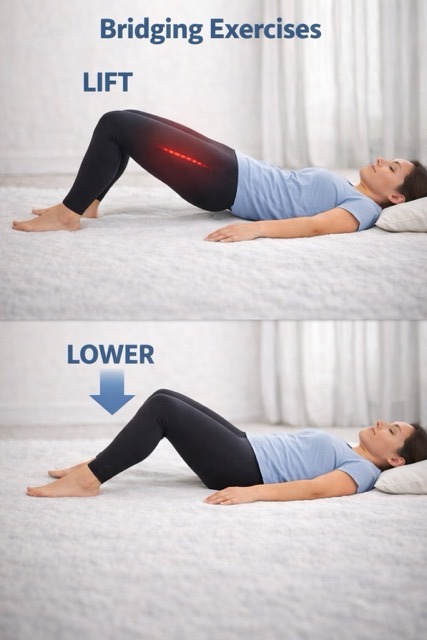
Bridging Exercises
- Lie on your back with knees bent, arms by sides
- Tighten buttocks
- Lift hips until fully extended
- Lower slowly and relax
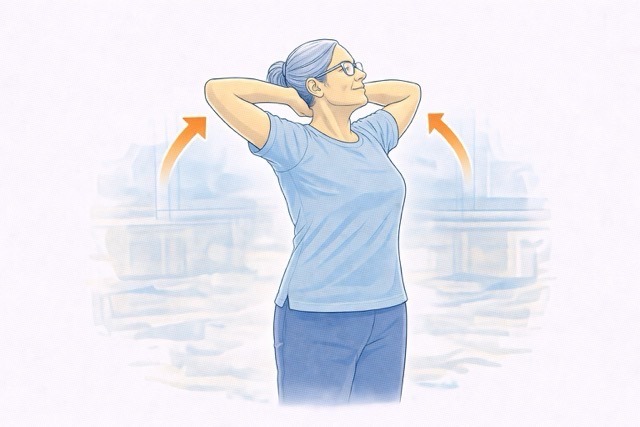
Pectoral Stretch
- Sit or stand with hands behind neck
- Open elbows wide, squeeze shoulder blades, inhale
- Bring elbows together in front, exhale
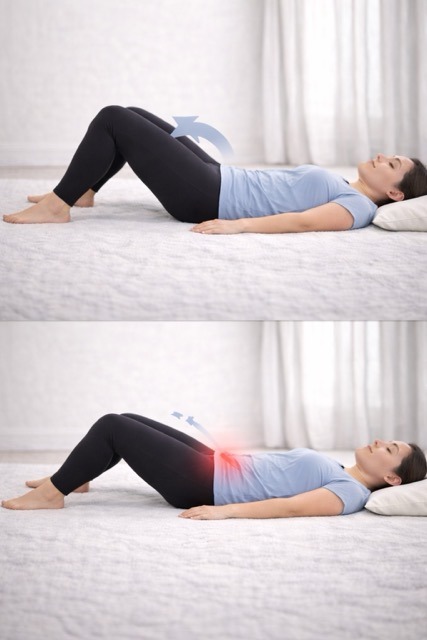
Pelvic Tilt
- Lie on your back with hips and knees bent
- Inhale
- Exhale while tightening pelvic floor and deep abdominal muscles
- Flatten lower back gently against the floor
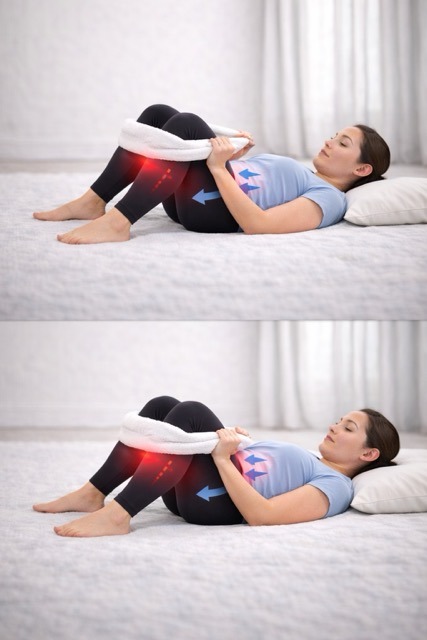
Towel Pulse
- Lie on back with knees bent
- Place towel across upper shins and hold both ends
- Pull towel ends, squeeze thighs together
- Exhale, draw abdomen in, lift shoulders slightly
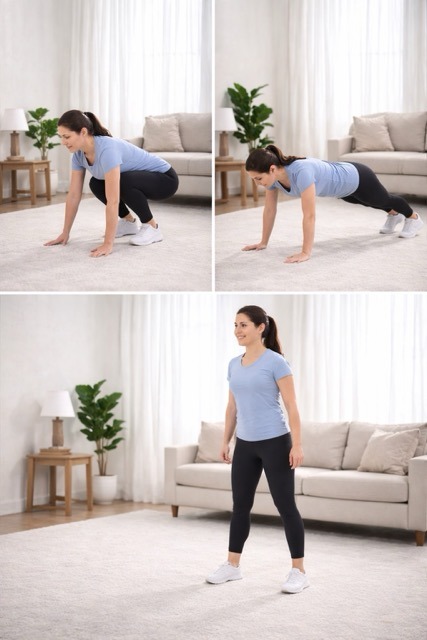
Modified Squat Thrust
- Squat down, hands on floor in front of feet
- Step legs back into push-up position
- Step feet forward and return to standing
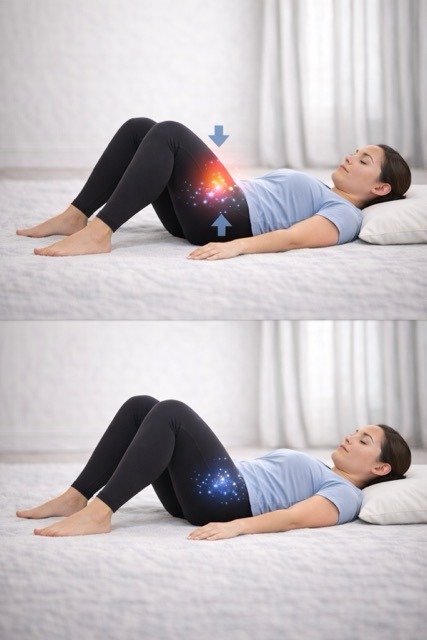
Kegel's Exercises
- Identify pelvic floor muscles
- Tighten as if preventing passing gas or stopping urine
- Hold for 3–5 seconds
- Relax for 3–5 seconds
- Repeat 10 times