
Proprioceptive Training Exercises
Introduction
Proprioceptive training exercises constitute a critical component of modern rehabilitation, targeting the restoration and optimization of joint position sense, movement awareness, and neuromuscular control. Proprioception refers to the body’s ability to perceive joint position, movement, and force, derived from afferent input from mechanoreceptors located in muscles, tendons, joint capsules, ligaments, and skin. Injury, surgery, pain, swelling, immobilization, and neurological impairment commonly disrupt this sensory system, leading to impaired motor control and increased risk of re-injury.
In physiotherapy practice, proprioceptive training is not limited to balance retraining alone; it is a comprehensive sensorimotor intervention designed to re-establish the integration between sensory input and motor output. These exercises are integral to orthopedic rehabilitation, neurological recovery, sports injury prevention, geriatric fall prevention, and functional reconditioning programs.
Definition
Proprioceptive training exercises are defined as therapeutic interventions designed to enhance the sensory–motor integration of joint position, movement, and force through targeted stimulation of proprioceptive receptors and coordinated motor responses.
The defining features include:
- Emphasis on joint position sense and movement accuracy
- Engagement of reflexive and voluntary neuromuscular control
- Use of controlled instability or sensory challenges
- Progressive increase in task complexity and functional relevance
Therapeutic Objectives and Clinical Rationale
The primary objectives of proprioceptive training include:
- Restoring joint position sense and kinesthetic awareness
- Enhancing dynamic joint stability
- Improving neuromuscular coordination and timing
- Reducing abnormal movement patterns and compensations
- Preventing recurrent injury and instability
- Improving postural control and balance
- Enhancing functional performance and confidence
From a clinical standpoint, proprioceptive deficits often persist even after strength and range of motion appear normalized. Without targeted proprioceptive retraining, patients remain vulnerable to poor movement control and recurrent injury, particularly in weight-bearing and high-demand activities.
Mechanism of Action
The effectiveness of proprioceptive training is explained through several interrelated mechanisms:
Peripheral Sensory Stimulation
Exercises stimulate muscle spindles, Golgi tendon organs, joint mechanoreceptors, and cutaneous receptors, enhancing afferent feedback to the central nervous system.
Sensorimotor Integration
Repeated exposure to controlled instability improves the central processing of sensory input and refines motor responses through spinal, subcortical, and cortical pathways.
Reflexive Muscle Activation
Proprioceptive challenges promote anticipatory and reactive muscle activity, improving joint protection through timely co-contraction of stabilizing muscles.
Motor Learning and Neuroplasticity
Task-specific repetition enhances adaptive neural reorganization, particularly important in neurological rehabilitation and post-injury recovery.
Postural Control Optimization
Improved integration of visual, vestibular, and somatosensory systems enhances balance and movement efficiency.
Indications and Clinical Applications
Proprioceptive training exercises are indicated in a wide range of conditions:
Orthopedic and Musculoskeletal Conditions
- Ligament injuries (e.g., ankle sprain, ACL injury)
- Joint instability and recurrent subluxation
- Postoperative joint rehabilitation
- Chronic low back pain
- Shoulder instability and rotator cuff dysfunction
Neurological Rehabilitation
- Stroke and brain injury
- Incomplete spinal cord injury
- Peripheral neuropathy
- Parkinsonian disorders
Sports Rehabilitation and Injury Prevention
- Return-to-sport conditioning
- Agility and movement control training
- Prevention of lower-limb injuries
Geriatric Rehabilitation
- Fall prevention programs
- Balance impairments
- Age-related sensory decline
Pediatric Rehabilitation
- Developmental coordination disorders
- Neuromotor control deficits
Contraindications and Precautions
Absolute Contraindications
- Acute unstable fractures
- Severe joint inflammation or effusion
- Uncontrolled pain
- Acute neurological deterioration
Relative Contraindications / Precautions
- Severe dizziness or vestibular dysfunction
- Significant cognitive impairment
- Advanced osteoporosis
- Severe fear of movement or falls
Exercises should be adapted to ensure patient safety and confidence.
Assessment Prerequisites
Prior to initiating proprioceptive training, the therapist should assess:
- Joint stability and integrity
- Range of motion and strength
- Balance and postural control
- Sensory function (proprioception, touch, vibration)
- Pain and swelling
- Functional movement patterns
Assessment findings guide exercise selection and progression.
Principles of Proprioceptive Training
Effective proprioceptive training is guided by the following principles:
- Begin with stable, predictable tasks and progress to unstable, unpredictable conditions
- Progress from bilateral to unilateral tasks
- Integrate visual, vestibular, and somatosensory challenges
- Emphasize movement quality and alignment
- Incorporate task-specific and functional relevance
- Progress gradually to avoid loss of control or fear
Types and Examples of Proprioceptive Exercises

4
Static Proprioceptive Exercises
- Joint position matching tasks
- Static balance in standing or sitting
- Weight-shift exercises
Dynamic Proprioceptive Exercises
- Controlled reaching and stepping
- Perturbation-based balance training
- Dynamic stabilization drills
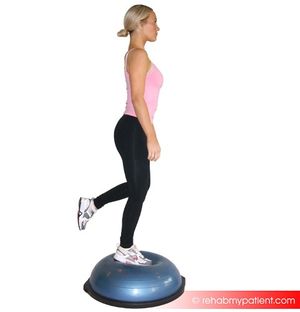
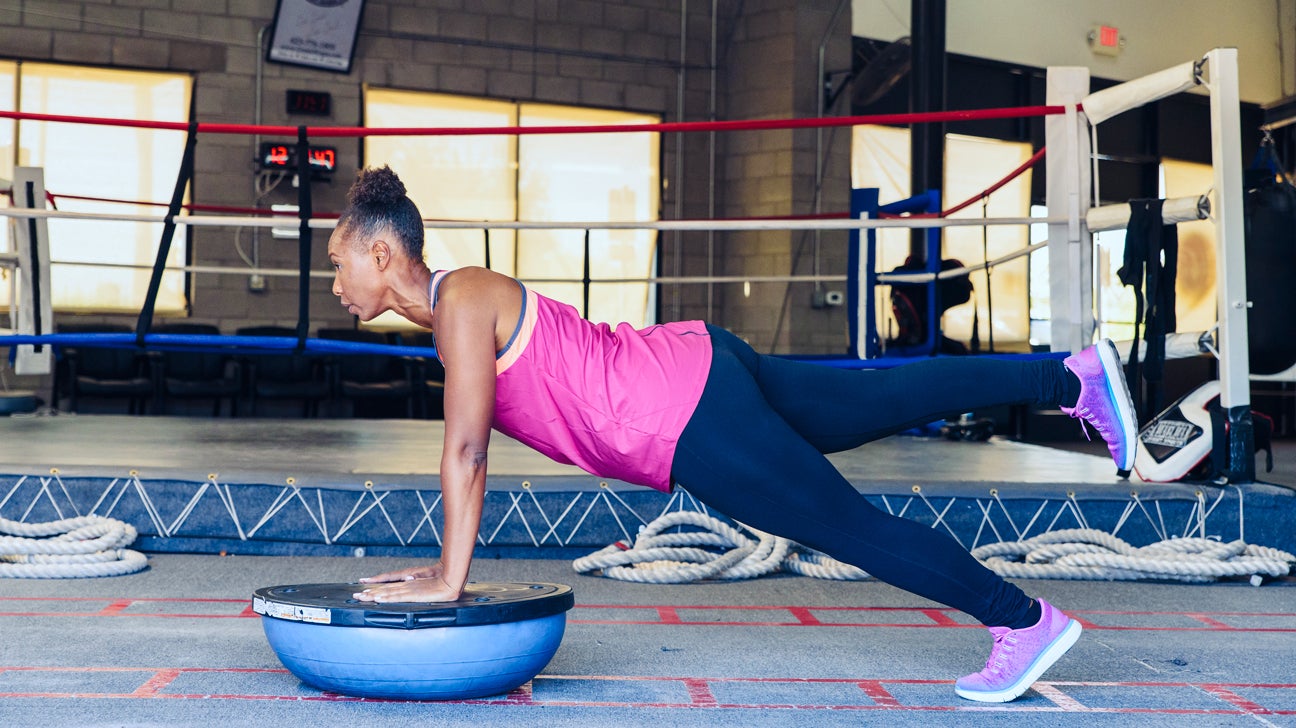
Unstable Surface Training
- Balance boards and wobble boards
- Foam surfaces
- Bosu or inflatable discs
Functional Proprioceptive Tasks
- Gait retraining on varied surfaces
- Sit-to-stand with reduced visual input
- Sport-specific movement drills
Dosage Parameters
General dosage guidelines include:
- Duration: 20–45 seconds per exercise
- Repetitions: 3–6 per task
- Sets: 1–3
- Frequency: 3–5 sessions per week
- Progression: Increased instability, reduced support, added cognitive or visual challenges
Dosage should be symptom-guided and individualized.
Integration into Rehabilitation Programs
Proprioceptive training is integrated with:
- Strength and conditioning programs
- Range of motion and flexibility exercises
- Functional task training
- Gait and balance rehabilitation
- Sports-specific conditioning
It should be introduced once basic joint stability and strength are established and progressed alongside functional demands.
Outcome Measures and Monitoring
Effectiveness can be monitored using:
- Balance and postural control tests
- Joint position sense testing
- Functional movement assessments
- Fall risk screening tools
- Patient-reported confidence and stability
Regular reassessment ensures appropriate progression.
Advantages and Limitations
Advantages
- Enhances movement efficiency and safety
- Reduces risk of re-injury
- Improves functional performance
- Applicable across age groups and conditions
Limitations
- Requires careful supervision in early stages
- Progression may be limited by fear or pain
- Effects are task-specific
- May be under-dosed if not structured properly
Clinical Pearls
- Proprioception deficits may persist despite good strength
- Quality of control is more important than duration
- Visual dependency should be reduced gradually
- Functional relevance improves carryover
- Proprioceptive training is essential for long-term joint protection
Conclusion
Proprioceptive training exercises are a vital element of comprehensive rehabilitation, addressing the sensory–motor deficits that underlie poor movement control and recurrent injury. When systematically prescribed and progressed, these exercises restore joint awareness, enhance neuromuscular stability, and significantly improve functional outcomes across orthopedic, neurological, and geriatric populations.
References
- Shumway-Cook A, Woollacott M. Motor Control: Translating Research into Clinical Practice.
- Lephart SM, Fu FH. Proprioception and neuromuscular control in joint stability. Am J Sports Med.
- Kisner C, Colby L, Borstad J. Therapeutic Exercise: Foundations and Techniques.
- Magee D. Orthopedic Physical Assessment.
- Behm DG, Anderson KG. The role of instability in training adaptations. Sports Med.